- Cards
- Credit cards for bad credit
Credit cards for bad credit
Credit cards for bad credit designed to help you rebuild your score
Getting a quote won't impact your credit score
Starting credit limits up to £4,000
Representative 29.9% APR (variable). Subject to eligibility. If you don't qualify, we may offer you a different card with its own terms.
Apply online

Representative example:
Based on assumed borrowing of £1200 at an interest rate of 29.9% (variable) p.a. your representative APR will be 29.9% (variable).
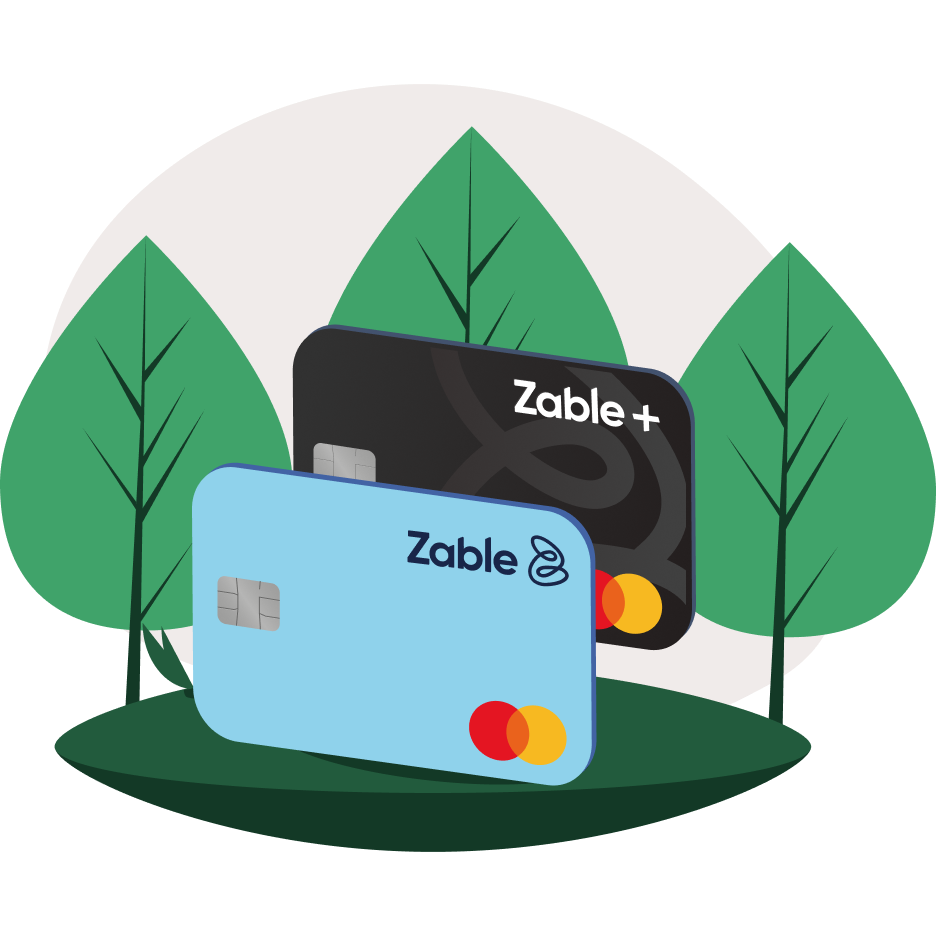
Why choose a credit card with Zable?
We could accept you, even if you get declined elsewhere
You're up to 35% more likely to get accepted when you link your bank.
Designed to help improve your score
Making payments on time and staying within your limit could help improve your score. Track it for free in the Zable app.
Credit that grows with you
We automatically review your account for credit limit increases and let you know if you’re eligible.
Repay instantly
You can repay any balances straight from your app by connecting your bank or debit card.
Manage your credit card on the go
View your balance and spending in real time, get instant transaction notifications, and do everything from changing your PIN to freezing your card in a matter of taps.
No annual or overseas fees
Enjoy spending abroad with zero transaction fees. We don’t charge any annual or over-limit fees either.
Meet Anthony
When Anthony was ready to rebuild his credit after major surgery kept him out of work, lender after lender said no, even though he was back working and knew he could afford the repayments. Zable started him with a manageable credit limit. It's two and a half times bigger now.

“When I got the message back saying that I’d been accepted, I read it two or three times. I didn’t believe it at first. I felt relieved, because somebody was at least giving me the chance…It has been a game changer for me.”
What is bad credit?
Bad credit is an informal term for a credit history that lenders see as higher risk. That history is held by the UK's three credit reference agencies (Equifax, Experian and TransUnion) in your credit report: the record of how you've borrowed and repaid money over time. Missed payments, defaults and applying for a lot of credit in a short time can all contribute to it.
This history is summarised into a credit score, which is why 'bad credit' and a 'low credit score' are often used to mean the same thing. There's no single number that counts as 'bad', as each credit reference agency uses slightly different scales (shown in full below).
A poor or low credit score with Equifax is 0-438, with Experian it's 0-640, and with TransUnion it's 0-562.
Rating | Equifax | Experian | TransUnion |
|---|---|---|---|
Very Low | - | - | 0 - 487 |
Poor or Low | 0 - 438 | 0 - 640 | 488 - 562 |
Fair | 439 - 530 | 641 - 860 | 563 - 652 |
Good | 531 - 670 | 861 - 1000 | 653 - 785 |
Very Good | 671 - 810 | 1001 - 1120 | - |
Excellent | 811+ | 1121 - 1250 | 786 - 999 |
While your score will be different according to each agency, they should all broadly agree with one another. In other words, if you've got a poor credit score on Experian's report, you'll likely have a similarly low score with Equifax, even if the numbers are different.
What is a credit card for bad credit?
A bad credit credit card is designed for customers with a wide range of credit backgrounds. Specifically, Zable uses Open Banking technology to gain a fuller picture of your spending habits, income, and regular payments to see if a credit card may be suitable, rather than relying on your credit history alone.
These credit cards can then help you to build your credit score as they give you the chance to demonstrate responsible borrowing. You can do this by making regular purchases and paying the minimum payment on time each month.
Why do I have bad credit?
'Bad credit' usually comes down to what's on your credit report. The most common reasons include:
A limited credit history: for instance, if you're new to credit or haven't had experience paying bills or direct debits. If this sounds like you, you may be interested in credit cards for no credit.
Missed or late payments: paying late, or missing a payment altogether, leaves a mark on your credit report.
High credit utilisation: using up a large share of your available credit limit can count against you. This is known as a high credit utilisation ratio.
Several applications in a short space of time: making a lot of credit applications close together can make you look higher risk to lenders.
Defaults, CCJs and IVAs: in more serious cases, unpaid debts can result in a default, a County Court Judgement (CCJ), or an Individual Voluntary Arrangement (IVA). These stay on your credit file for six years. These are all examples of adverse credit markers.
How can I check if I have a bad credit score?
Simply download the Zable app to access your Equifax credit report and monitor your credit score free of charge. You’ll also be able to view your current credit banding and keep track of the financial activities that have impacted your score.
Apple App Store rating: 4.9/5 stars from 260,000+ reviews
Google Play store rating: 4.8/5 stars from 117,000+ reviews
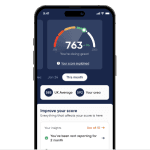
Download the app to see your credit rating for free
Download the Zable appWhy apply for a credit card with bad credit history?
By using a credit card responsibly and managing your repayments well, it’s possible to improve your credit score.
Taking steps to increase your bad credit score offers numerous financial benefits, including:
Better chances of loan, credit card or mortgage approval
Lower interest rates
Higher credit limits
Better insurance premiums
More rental property options
Easier approval for utility contracts
On the other hand, some of the difficulties you may encounter if you have a bad credit rating include:
Higher interest rates
Increased insurance premiums
Difficulty applying for credit
Fewer loan options
Difficulty renting properties
Challenges when purchasing a car on finance
Difficulty taking out contracts for mobile phones
If you're weighing up whether a credit card is right for you, our guide on the advantages and disadvantages of a credit card covers what to expect.

How to apply for a credit card with bad credit
Here's how the process works when you apply for a credit card with bad credit with Zable:
Check your eligibility
Checking your eligibility won't impact your credit score.
Complete your application
If eligible, you'll be asked to provide some more details. We'll review your information, usually within a few seconds.
Start spending on the same day
Most customers can start spending within minutes, if eligible, using Apple Pay or Google Pay.
How to use credit cards for low credit responsibly
If you get approved for a credit card, you have the opportunity to use the card responsibly and steadily improve your credit score. To do this, follow these tips.
Stay within your credit limit
Never miss a monthly repayment
Use the card for purchases within your budget
Repay at least your minimum payment each month
Read more about how to use your card to build credit.
What can I do if my credit card application has been declined?
Though there are some fantastic credit cards for bad credit customers on the market, application approval is not guaranteed. If your application has been declined, first check your credit report and ensure all details are up to date, and then consider the following steps:

1. Limit further applications
Submitting full credit applications multiple times in a short space of time can quickly hurt your credit score, as each one prompts a 'hard check' and appears on your credit file.
Instead, use a 'soft search' credit card eligibility checker, like the one we use here at Zable. These provide you with an eligibility decision without impacting your score.
2. Look into rent reporting
Reporting your rental payments to credit reporting agencies can help to build your credit score, much like the way mortgage repayments do.
You can do this via the Zable app with a Zable membership (£3 a month). Once you link your bank account, we can identify the rent payments leaving your bank account each month and report them to Equifax.

3. Watch your credit usage
Using up a large amount of your available credit limit on your pre-existing credit cards can also result in a bad credit score and impact your ability to get a credit card.
To prove to lenders that you are a responsible borrower, try to avoid maxing out your credit limits and, where possible, pay off the balance in full as often as you can.

4. Pay your bills on time
It may seem obvious, but making sure you pay your bills on time is one of the simplest ways you can ensure your credit score isn't negatively affected.
Missing or making late payments can seriously impact your credit rating. To ensure this doesn't happen, set up direct debits so that you pay your monthly utility bills on time.
FAQs about credit cards for bad credit
Can I get a credit card with bad credit?
Yes. The Zable Credit Card is designed for customers with a wide range of credit history backgrounds. Our use of Open Banking technology means that we might be able to give you a quote, even if your credit rating is very poor. Fill in our short application form to get an answer - it won't affect your credit score.
Is there a credit card that approves everyone in the UK?
No, there are no credit card providers in the UK that can truly guarantee approval upfront. All lenders must follow responsible lending rules, taking into account your ability to repay and performing identity checks.
Discover more in our analysis of credit card acceptance rates in the UK.
What is the easiest credit card to get with bad credit?
You can check your eligibility for a Zable card and receive a credit decision in seconds, without impacting your credit score.
At Zable, we know that many of our customers are getting their first chance at credit with us. That's why we've created a card with lots of helpful features, including a highly rated mobile app, designed to support customers who are looking to build their credit.
Which credit card doesn't check your credit history?
There are no lenders in the UK that don't take your credit history into account when they're making a decision on whether or not they can make you an offer. Responsible lenders need to build up a picture of your finances and your ability to manage credit effectively.
Zable can look beyond your credit history if you link your bank account during the application process when prompted, meaning you could be up to 35% more likely to get accepted than if a decision was based on your credit history alone.
Should I get another credit card if I have poor credit?
If you use it responsibly and pay your repayments on time each month, a credit card can help you improve your credit score. However, it’s important to consider whether you can afford to pay off what you spend each month before applying, as otherwise you can hurt your credit score further. If you do find yourself struggling to meet your existing repayments, read our guide on how to pay off credit card debt.
Can I get a credit card with a CCJ?
It is possible to get a credit card if you have a CCJ on your file. At Zable, we look at your full financial picture, including your income and spending, not just your credit file. A CCJ will be taken into account as part of our assessment, but it does not automatically mean you will be declined. You can check your eligibility without affecting your credit score. Learn more about credit cards with CCJs.


