What is a balance transfer on a credit card?


Written by
Emily Tye
Reviewed by
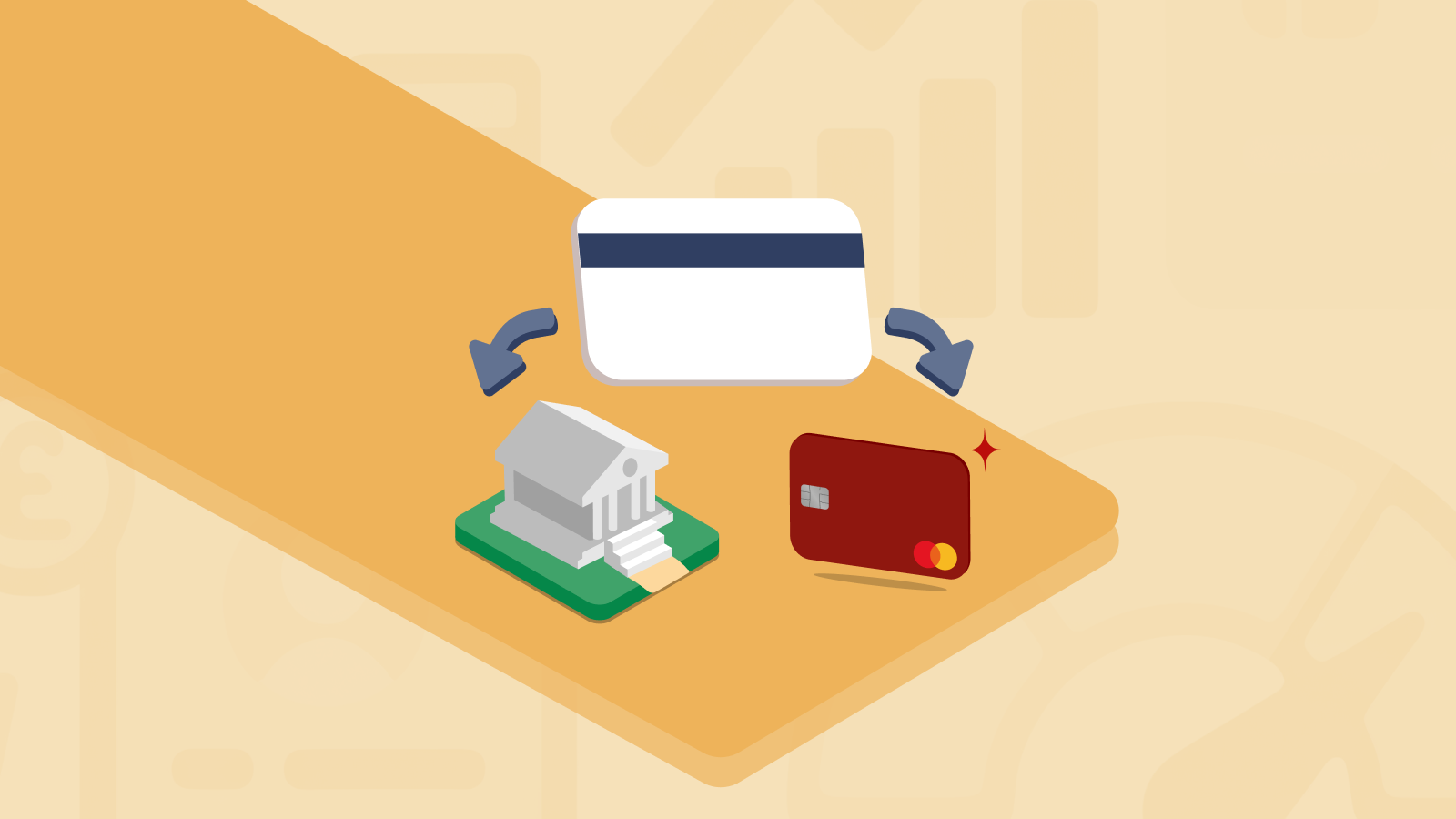
Amy LancashireA balance transfer is where you move your balance (money that you owe) from one or more existing credit cards to a new balance transfer card. This new card typically has a low or 0% interest rate for a set promotional period, which can help you save money. When the promotional period ends, the regular purchase interest rate kicks in.
What does a 0% balance transfer mean?
When a card offers 0% on balance transfers, it means you won't pay any interest on the debt you move across during the promotional period. All your monthly payments go directly toward reducing the balance, rather than covering interest charges.
But remember, the zero interest period will come to an end. In order to avoid paying interest entirely, once the promotional period ends (which can vary depending on the card issuer), you would need to pay off your balance in full each month.
How does a balance transfer work?
Let’s look at a hypothetical example in action.
The scenario:
Current debt: £1,200
Current interest rate (APR): 39.9%
What you pay each month: £150
New offer: a balance transfer card with 0% interest for 6 months and a 3% fee, reverting to 39.9% after the promotional period
Option 1: Staying with your existing card
Paying £150 a month, you'd clear the balance in 10 months and pay about £180 in interest.
How we got that number: a 39.9% annual rate works out at about 2.84% a month. In the first month that's £34 on your £1,200. As you pay the balance down, each month's charge gets smaller. Added up, it comes to roughly £180.
Find out more about how credit card interest works.
Option 2: Using a 0% balance transfer
You pay a one-off 3% fee of £36, which is added to the balance you move, so £1,236 lands on the new card. For the next 6 months there's no interest, so the full £150 a month comes off the balance.
What happens when the 0% period ends?
Six months of £150 payments clears £900, leaving £336 when the 0% ends. That's what starts being charged at 39.9%, and it costs about £17 in interest before the balance clears in month 9.
So transferring costs about £53 in total, the £36 fee plus £17 of interest. Staying put costs about £180. You'd save roughly £127.
Of course, this example is for illustration purposes only and actual charges can vary according to your payments and balance.
The key takeaway here is to:
Pay off your total balance within the promotional period if you can afford to do so.
If you don’t think you can pay off the balance within the promotional period, use your personal APR and balance to work out if you’d still end up saving money.
What is a balance transfer fee?
A balance transfer fee is a one-off charge that your new credit card issuer charges when you transfer your debt over to your new card.
It is usually a small percentage of the transferred balance (i.e. 2-4%), with a set minimum fee (i.e. a £3 minimum fee).
For example, if you transferred £500 of debt and the balance transfer fee was 3%, you'd pay a one-off fee of £15 (3% of £500).
It's something to keep in mind before you transfer your balance - does the money you'll save in interest outweigh the fee? Our balance transfer calculator works that out from your own figures.
Balance transfer FAQs
What is the downside of a balance transfer credit card?
The main risks are the one-off transfer fee and the interest rate that kicks in if you don't clear the balance before the 0% period ends.
A balance transfer only saves you money if you pay down the balance during the 0% period. If you still have debt when the promotional period ends, you'll start paying interest at the card's standard rate. Depending on how that rate compares to your original card, this could end up costing you more than if you hadn't transferred.
Can I do a balance transfer if I have bad credit?
It depends on the card and your credit history. Some cards are designed for people with lower credit scores, though the credit limit offered may be lower and the promotional period shorter than cards aimed at those with good credit. Checking your eligibility before applying is a good idea, as it uses a soft search and won't affect your credit score.
How long does a balance transfer take?
Balance transfers can take a few days to process, depending on your application and lender. Keep making minimum payments on your existing card until the transfer is confirmed, to avoid any late payment charges or interest.
Can I transfer a balance from a card with the same provider?
No, you cannot transfer a balance between two cards issued by the same provider. The debt needs to move from one provider to a different one.
What happens if I don't pay off the balance before the 0% period ends?
Any remaining balance will start accruing interest at the card's purchase rate, which is typically much higher. It's important to know your promotional end date and aim to clear (or significantly reduce) the balance before then.
This blog is for informational purposes only and does not constitute financial advice. Please speak to a qualified financial adviser before making financial decisions.